Why Hold Off On Garden Clean-Up?
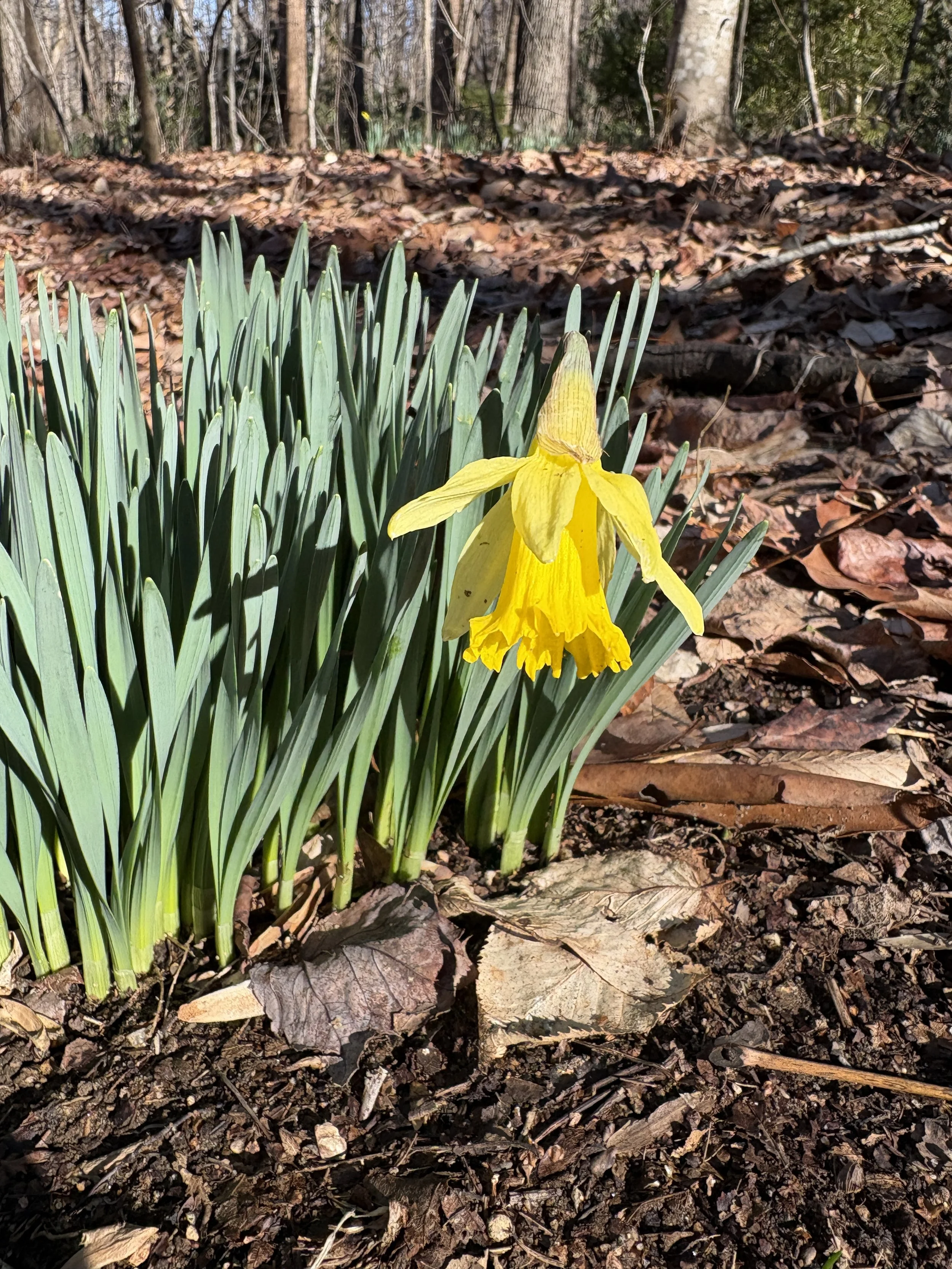
The first warm days of late winter make it almost impossible to resist the urge to tidy up. The rakes come out. The pruners get sharpened. The garden calls for a reset.
But if you want a truly eco-friendly garden, the best thing you can do right now is simple: WAIT.
Delaying garden clean-up until daytime temperatures are consistently above 50°F for about a week (around mid-April in the Carolina Foothills) can make a measurable difference for pollinators and other beneficial insects just beginning to emerge.
Here’s why that patience matters:
Your “Messy” Garden Is Winter Habitat
What looks like debris to us is essential shelter to wildlife.
All winter long, beneficial insects are tucked away in:
Hollow plant stems
Dead perennial stalks
Leaf litter
Undisturbed soil
Native bees, lady beetles (ladybugs), butterflies, moths, and countless other insects rely on this natural insulation to survive freezing temperatures.
In fact, the Xerces Society for Invertebrate Conservation reports that roughly 70% of native bee species nest in the ground. Fireflies and many other beneficial insects do too. Others overwinter inside stems or beneath layers of leaves.
When we clear everything too early, we may be removing habitat just as these insects are preparing to emerge.
What feels like spring cleaning to us can be a critical disruption to them.
Why 50°F Matters
Many overwintering insects begin to wake when daytime temperatures consistently reach about 50°F.
If you cut back stems or rake out beds before that threshold is reached, you risk trapping or killing insects still sheltering inside.
Waiting until you’ve had about a week of 50°F+ days gives pollinators a chance to fully emerge and move on naturally. It’s a small shift in timing that makes a meaningful ecological difference.
Skip the “One Big Sweep”
Even once it’s warm enough, resisting the urge to clear everything in one weekend can have an impact. A staggered approach softens the impact of habitat disturbance and keeps your garden functioning as a living ecosystem — not just a designed space.
Hold Off on Heavy-Duty Garden Tasks
Early spring is also a good time to pause before jumping into more intensive work.
Consider delaying tilling the soil, aggressively raking beds and applying thick layers of mulch. These garden tasks can damage ground nests or block emerging bees from reaching the surface.
Consider Leaving Some Areas Wild
Even a modest patch of completely undisturbed habitat can sustain an incredible amount of life.
This season, let your garden wake up at its own pace.
When we garden with wildlife in mind, even waiting becomes an act of care.
Remember, your yard isn’t just a landscape. It’s a habitatscape!