Spring ephemerals and early-blooming trees and shrubs fill a critical food gap—they provide the first nectar and pollen of the year when insects emerge from winter and little else is blooming. If you plant only summer flowers, you’ll miss the moment when the ecosystem is most vulnerable.
Without these early bloomers many native bees, butterflies, and other insects struggle to survive—and that ripples up the food chain to birds and beyond.
Planting spring bloomers helps:
Support overwintered queen bumblebees & emerging pollinators
Fuel caterpillars—the foundation of the food web
Strengthen local biodiversity from the ground up
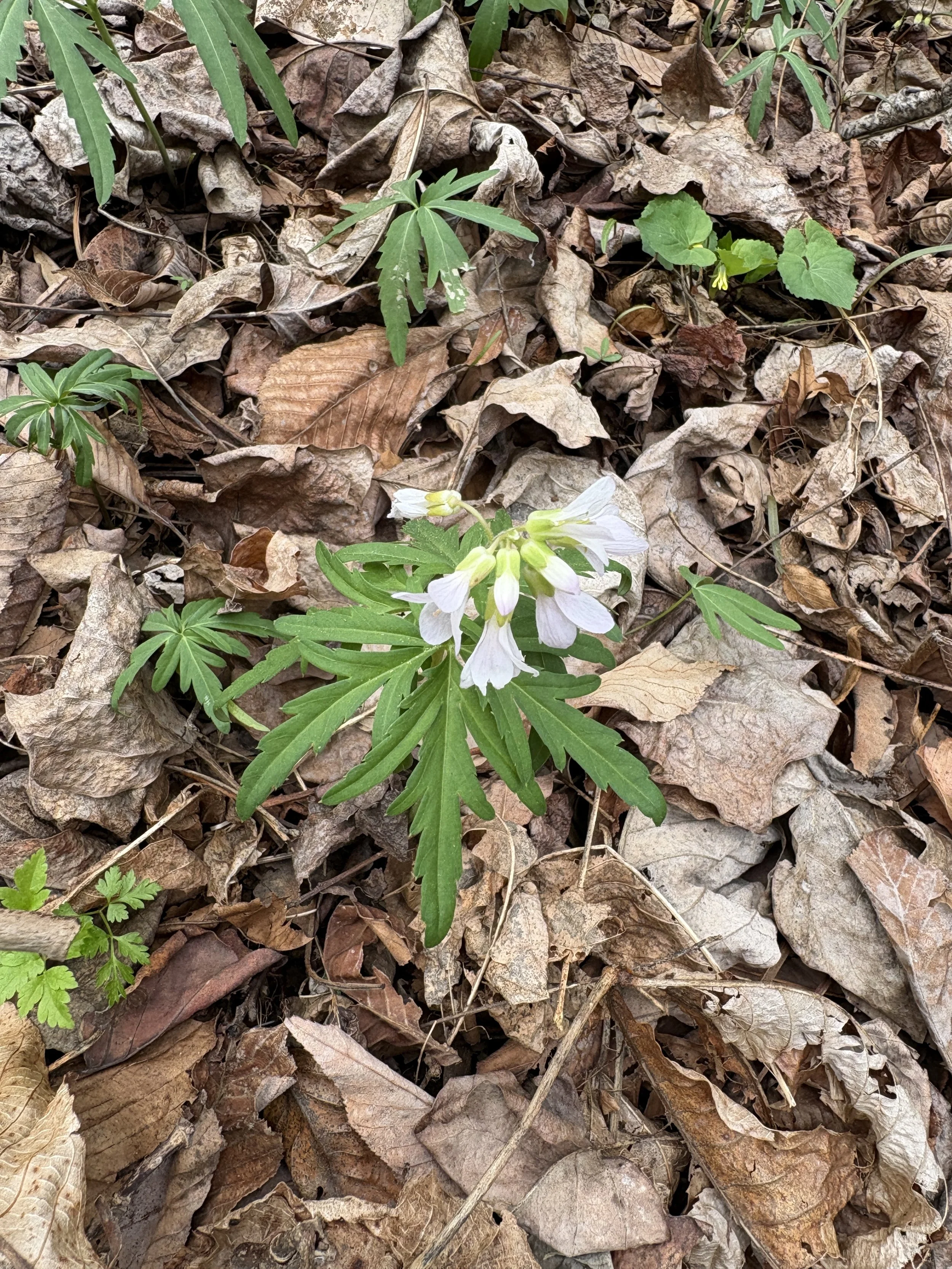
High-Impact Spring Ephemerals (Woodland Layer)
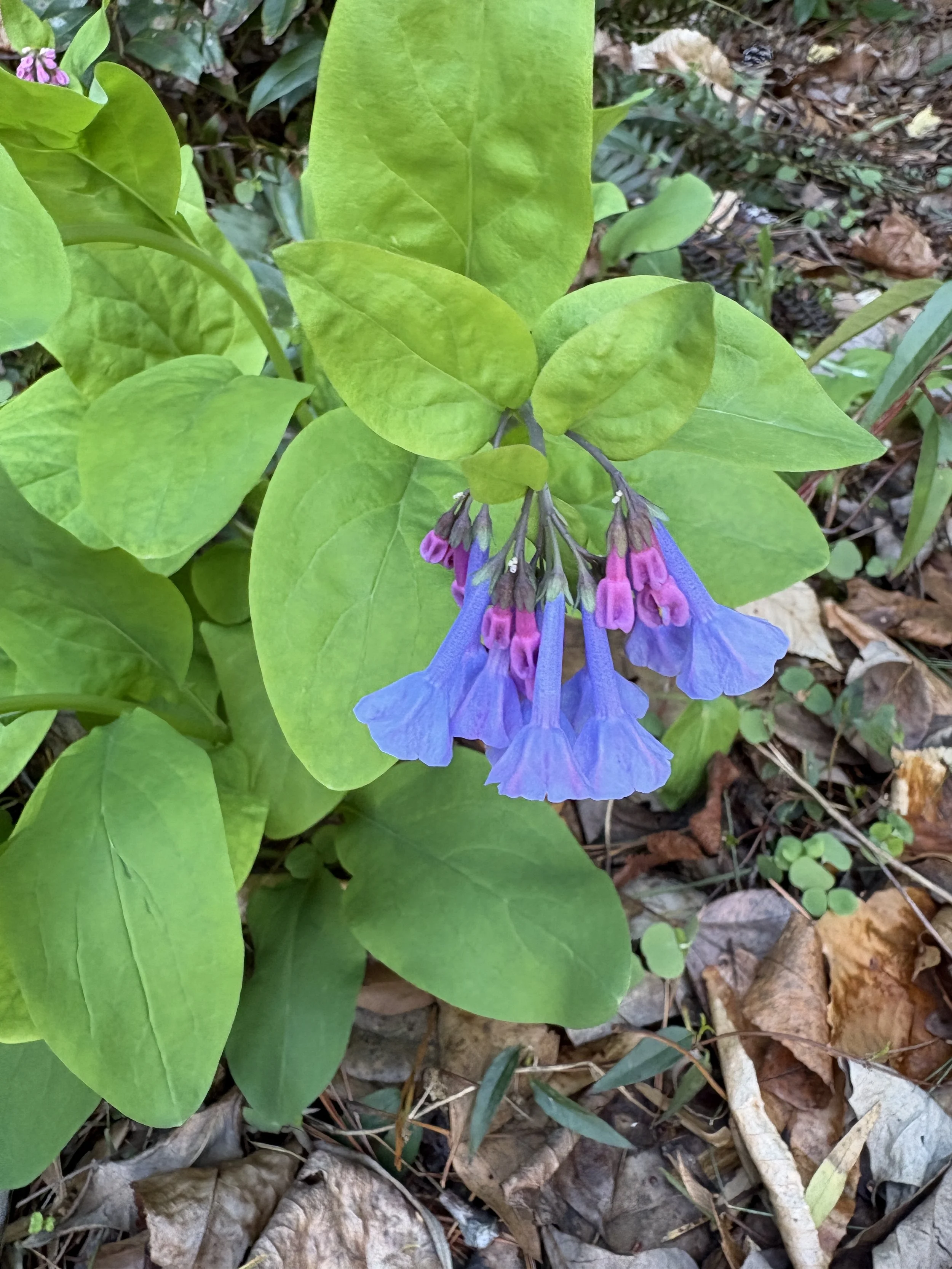
Virginia Bluebells (Mertensia virginica)
→ Bumblebees, mining bees, swallowtail butterflies
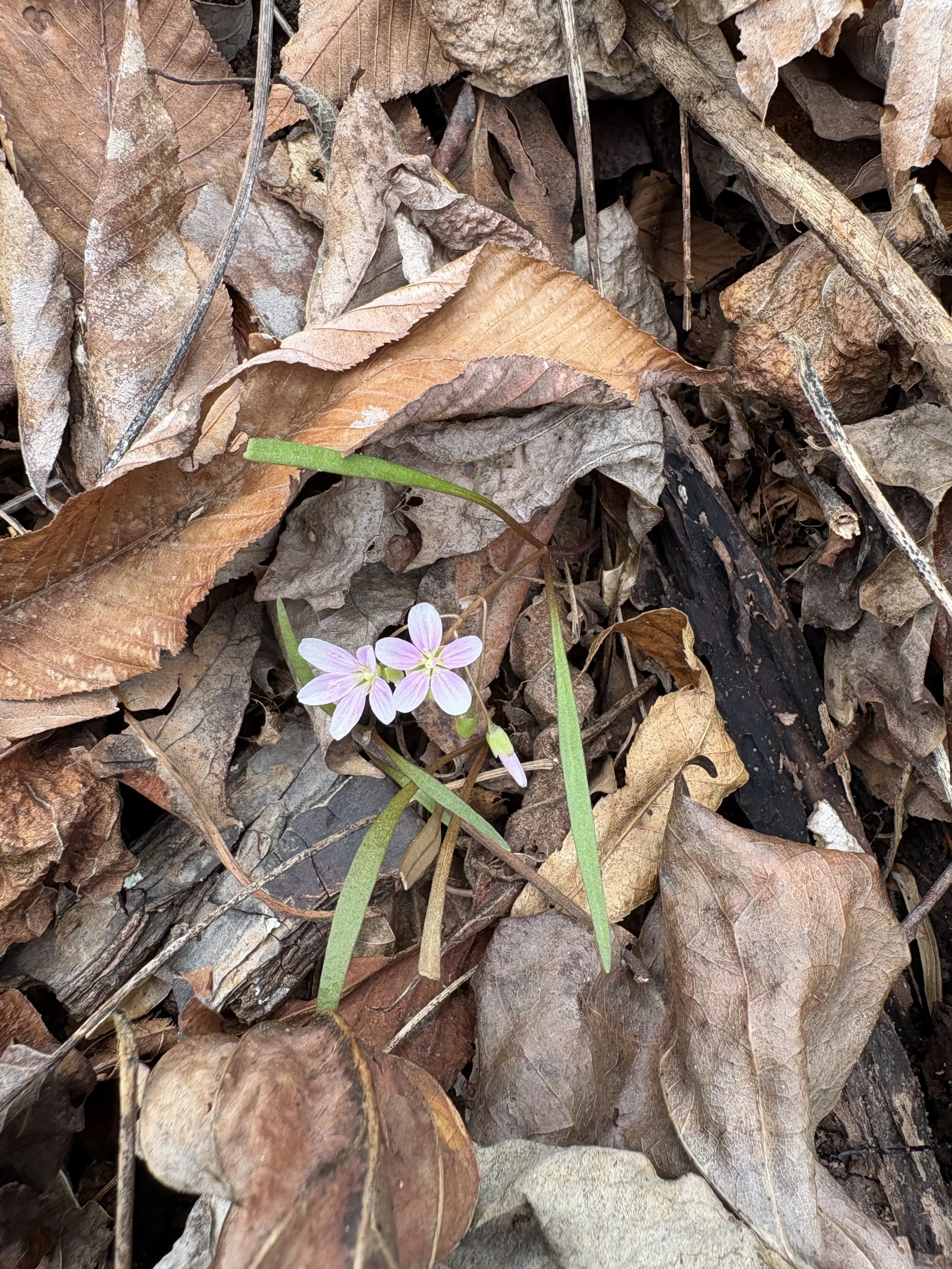
Spring Beauty (Claytonia virginica)
→ Specialist spring bee (Andrena erigeniae) + other native bees
Trout Lily (Erythronium americanum)
→ Early bees, ants (seed dispersal), flies
Bloodroot (Sanguinaria canadensis)
→ Small native bees, flies
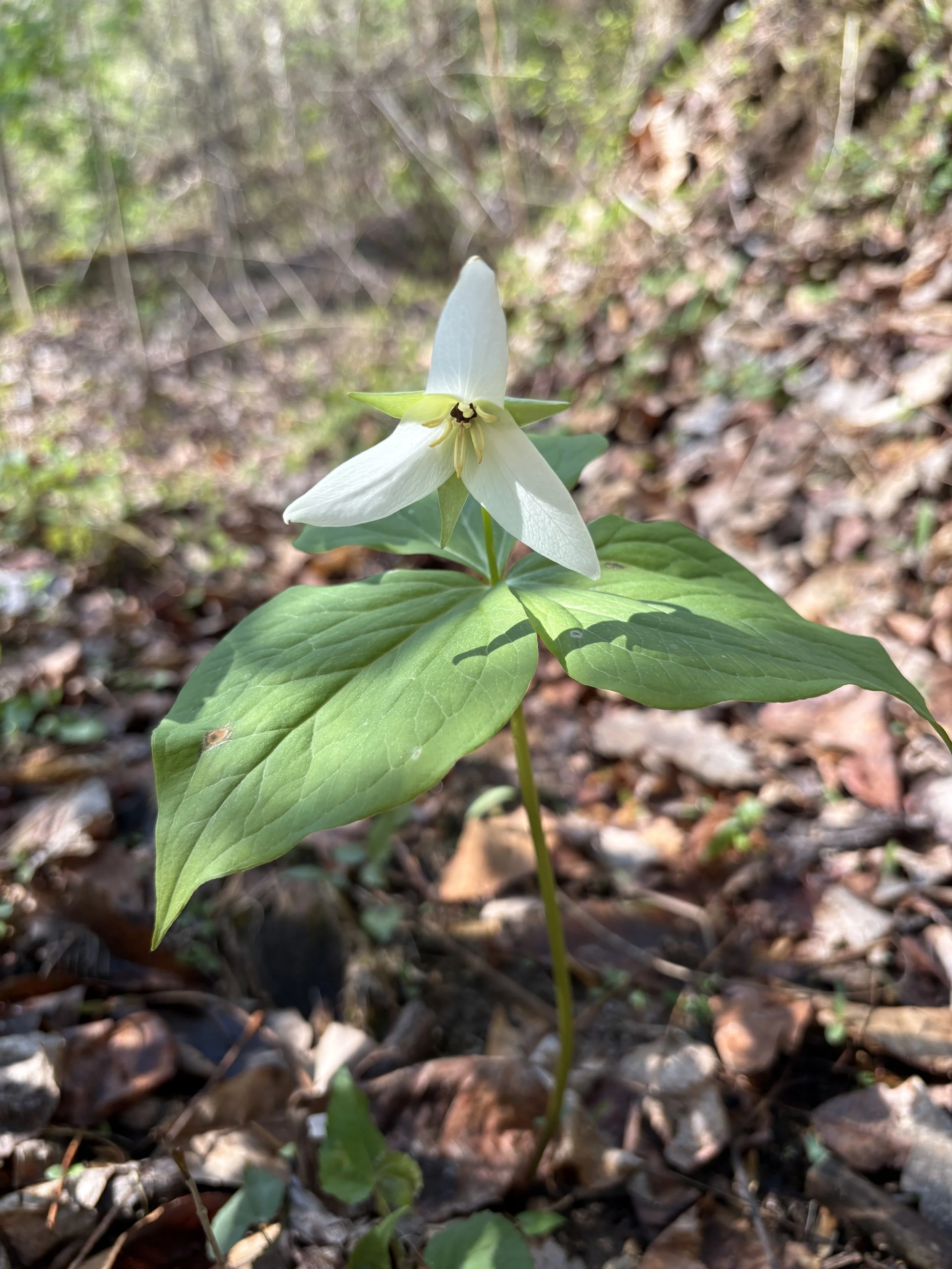
Trillium species (Trillium spp.)
→ Beetles, flies, ants (seed dispersal)
Dutchman’s Breeches (Dicentra cucullaria)
→ Long-tongued bumblebees (especially queens)
Early-Blooming Trees (Highest Ecological Impact)
Red Maple (Acer rubrum)
→ One of the earliest pollen sources for bees
Serviceberry (Amelanchier spp.)
→ Native bees, flies, butterflies + later fruit for birds
Black Cherry (Prunus serotina)
→ Hundreds of caterpillar species (keystone plant)
Willows (Salix spp.)
→ Critical for early bees; soft wood supports nesting
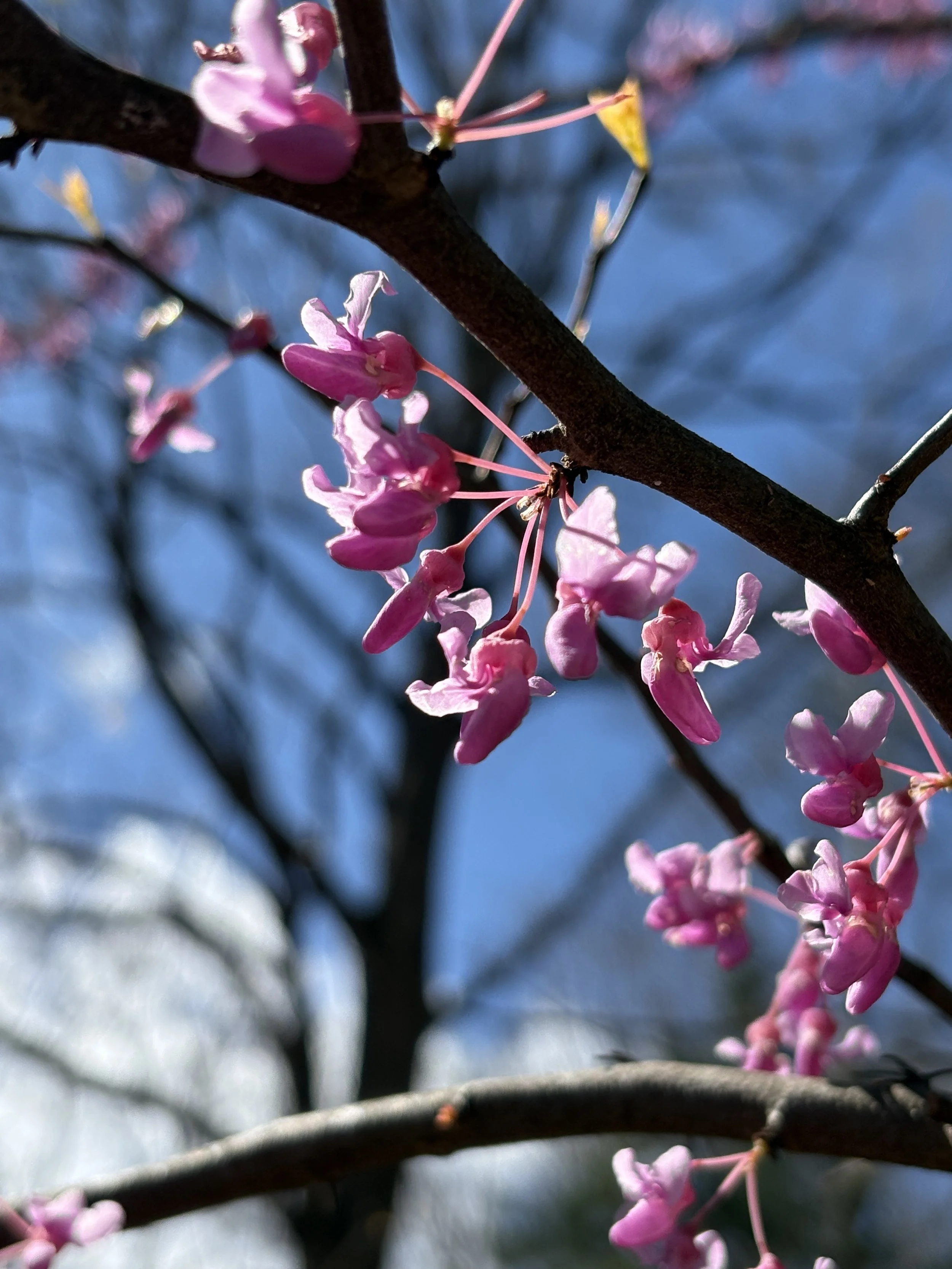
Native Plums/Cherries (Prunus spp.)
→ Pollinators + host plants for butterflies and moths
Early-Blooming Shrubs (Bridge Between Trees & Wildflowers)
Spicebush (Lindera benzoin)
→ Host for spicebush swallowtail + early bees
Highbush Blueberry (Vaccinium corymbosum)
→ Specialist bees (buzz pollination)
Viburnum species (Viburnum spp.)
→ Pollinators + berries for birds
Witch Hazel (Hamamelis virginiana / vernalis)
→ Blooms late winter to very early spring
Here in the Carolina Foothills, spring can sneak up on us. It is easy to assume everything is still in a winter pause and yet beneath bare branches and along woodland edges early bloomers are already at work, They are sustaining the first bees, feeding the earliest caterpillars, and setting the entire season in motion. When we choose to plant them, we’re not just adding beauty to our landscapes—we’re helping to support and rebuild the living systems that make this place so special, one small, early bloom at a time.
Learn more:
Spring Ephemerals: Masters of Adaptation
Highlighting Spring Ephemerals