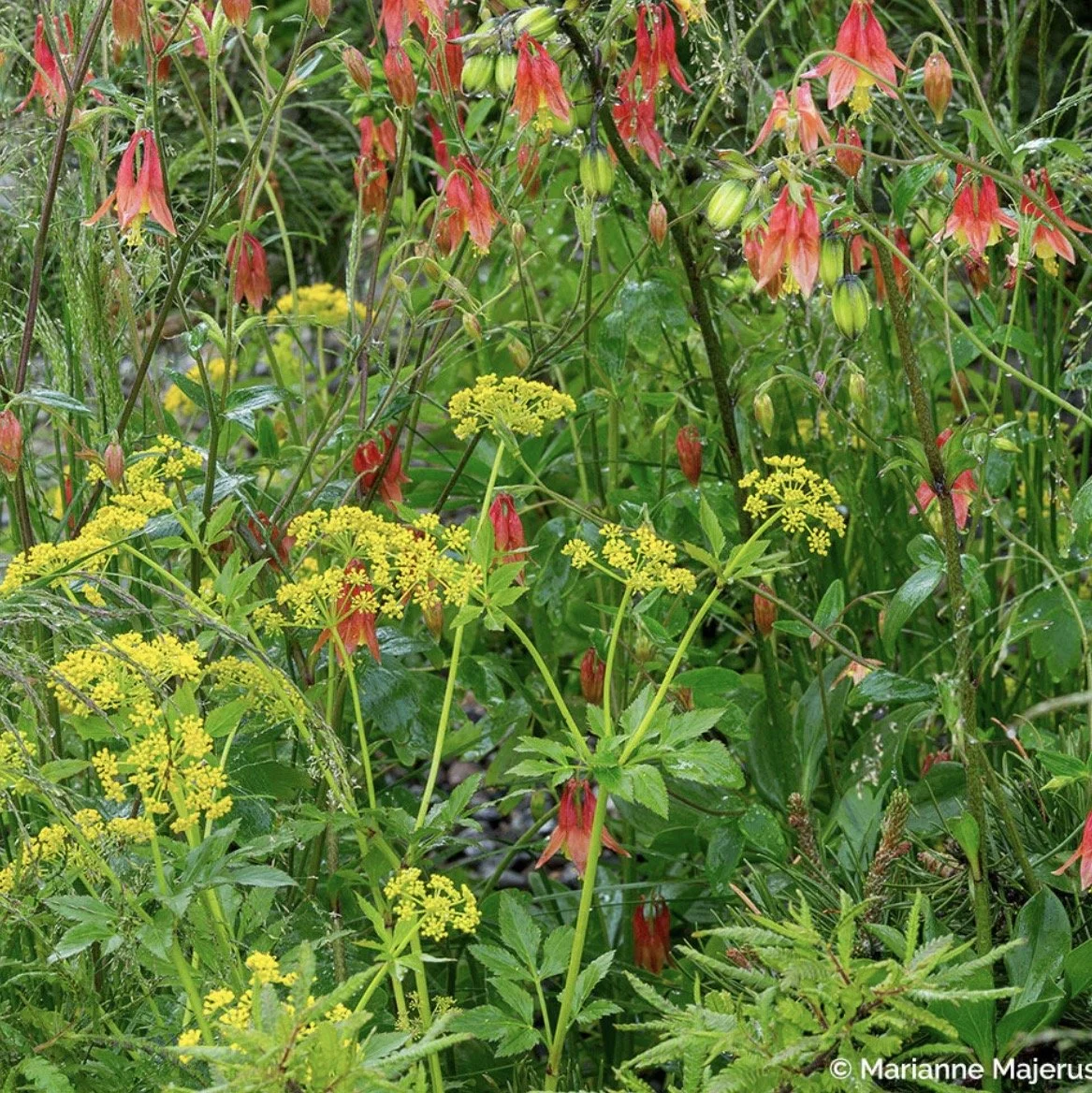
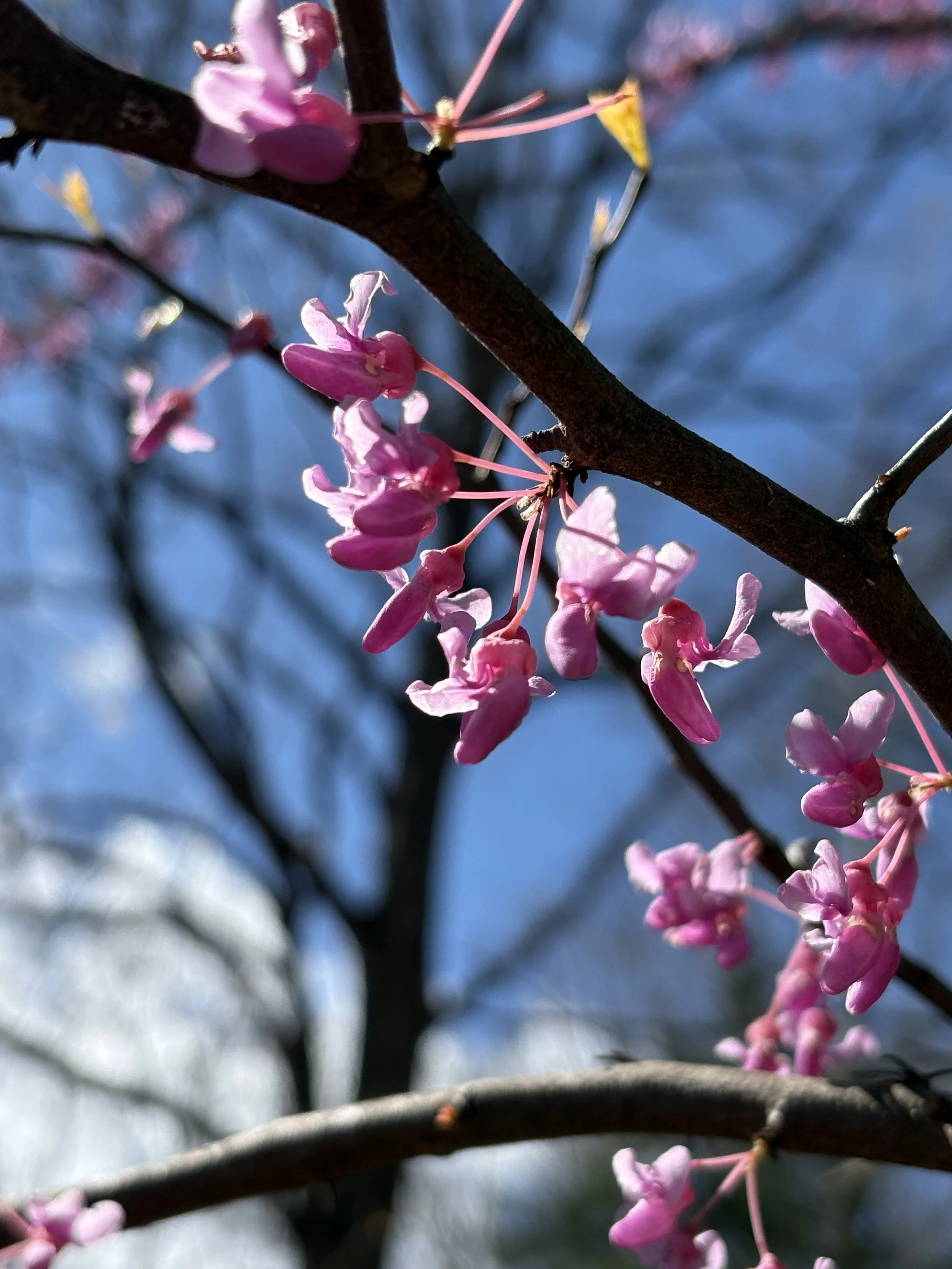
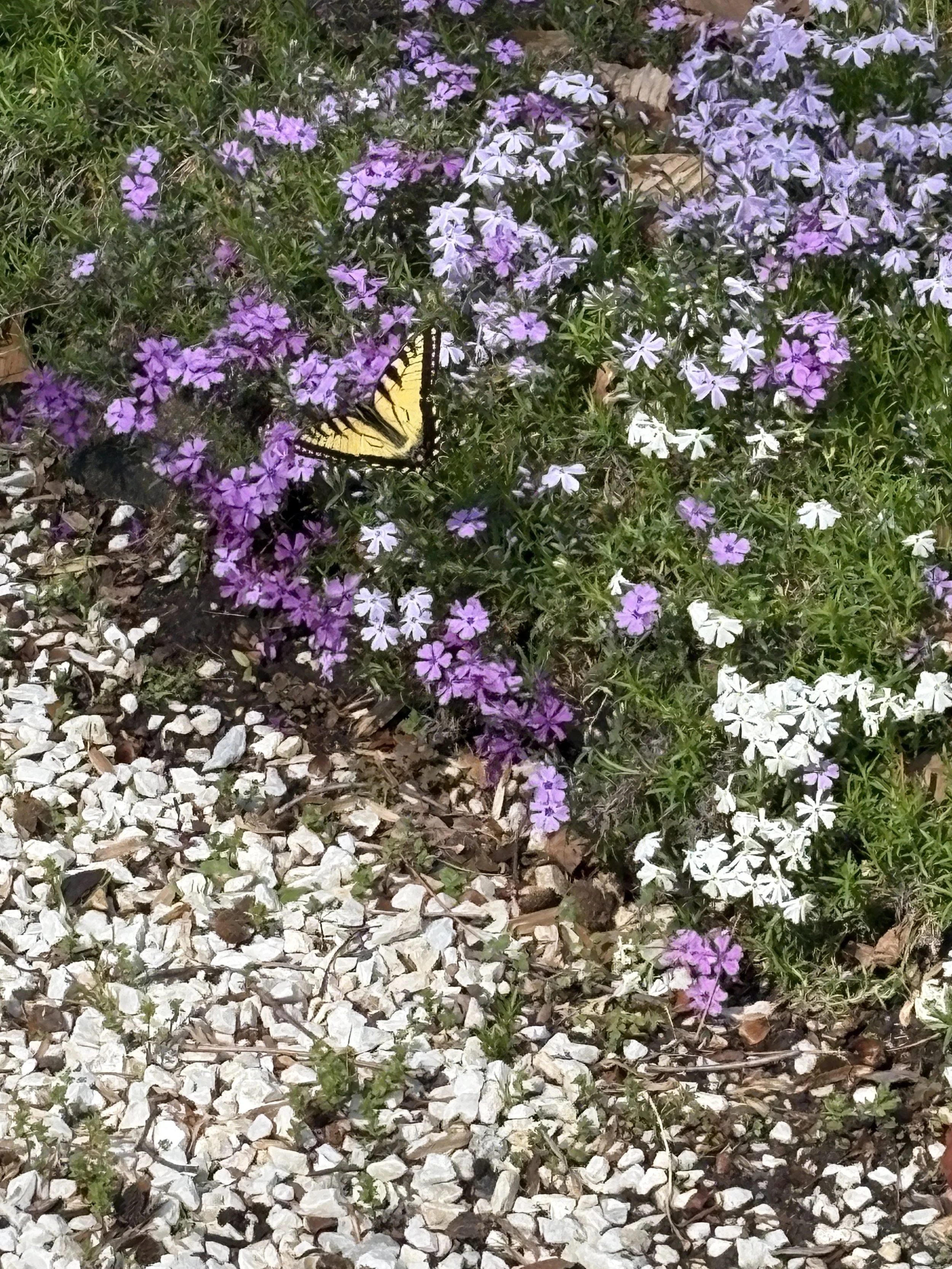
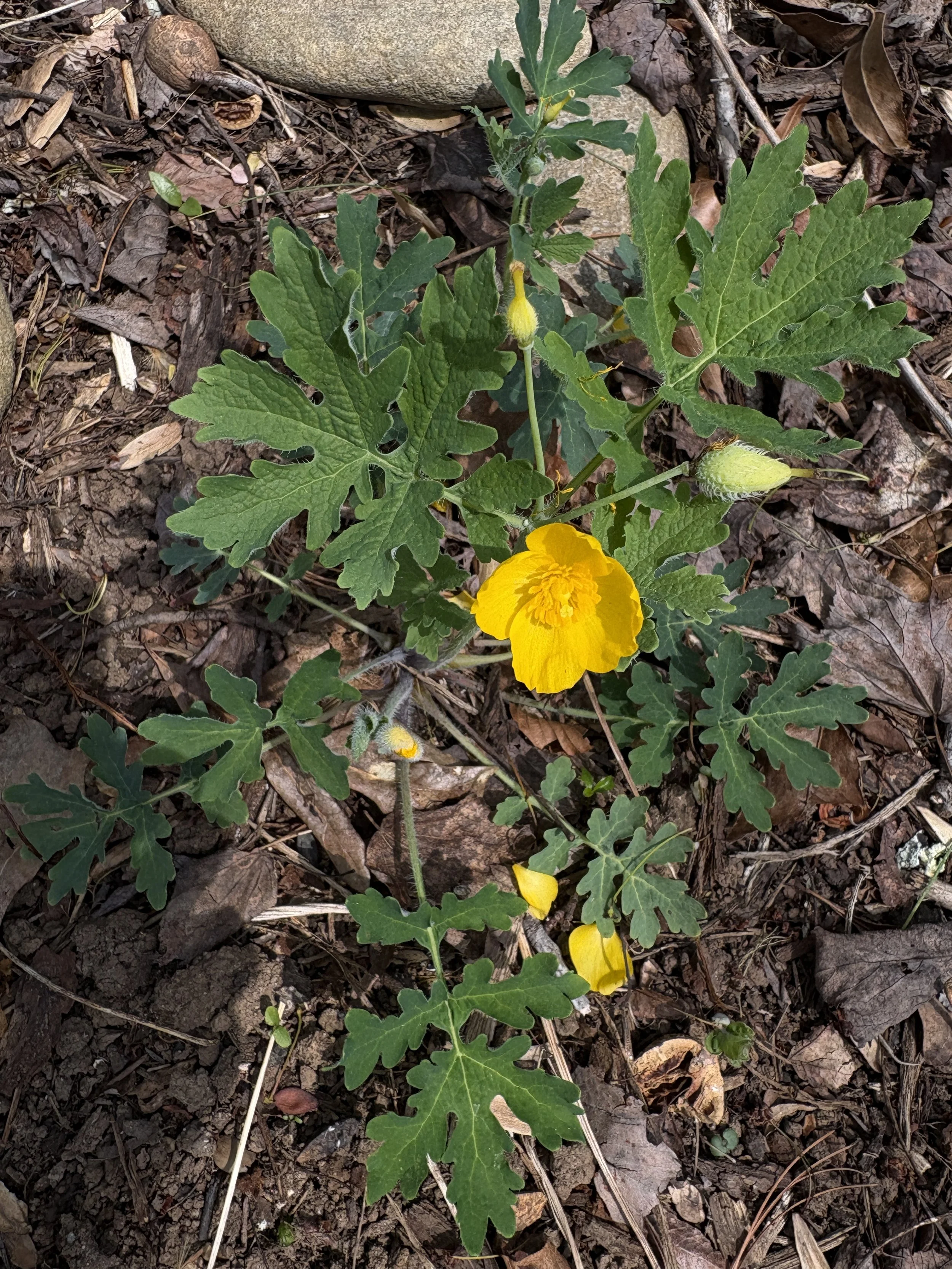
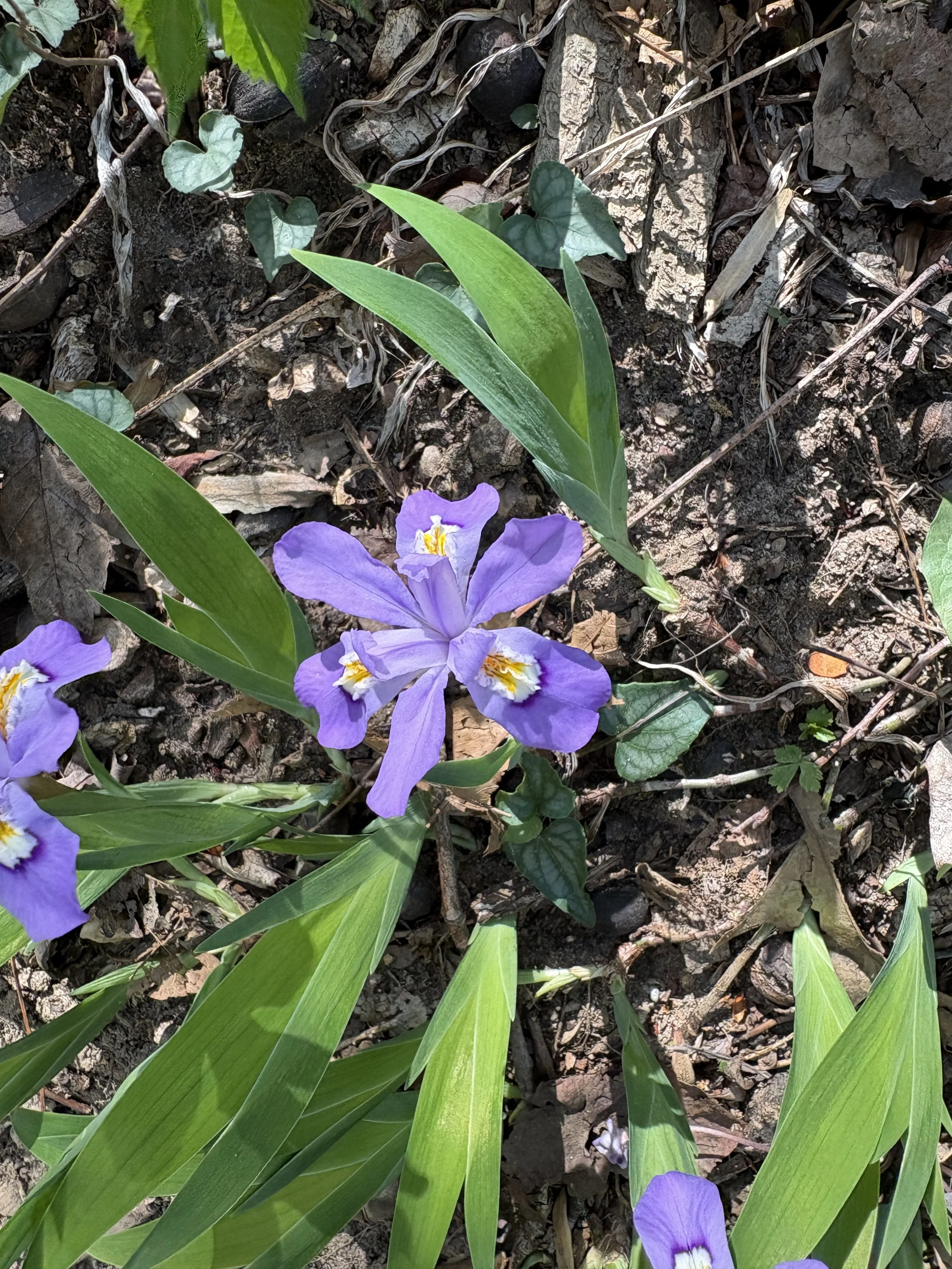
April is National Native Plant Month
April in the Carolina Foothills is a time when our natural world bursts out of its winter slumber into a landscape alive with activity.
And April just so happens to be National Native Plant Month—so let’s celebrate.
Here are some easy, meaningful ways to join in locally:
Kick Off the Month with Inspiration
Start by visiting the Gardening for Life Project Habitatscaping page. You’ll learn what native plants are, why they matter, what to plant, and how to get started.
https://www.gardeningforlifeproject.org/habitatscaping-in-the-carolina-foothills
Come to the April 11 Spring Native Plant Sale
The Gardening for Life Project Spring Native Plant Sale is one of the best ways to get started (or go deeper). You’ll find regionally appropriate plants, knowledgeable growers, and a community that’s all in on making a difference.
https://www.gardeningforlifeproject.org/news/gflp-spring-26-native-plant-sale
See Native Plants in Action
Sometimes the best inspiration is seeing what’s possible.
Visit the Tryon Depot Garden (10 Depot Street, Tryon, NC), where an ornamental space is becoming a functioning habitat (managed by the Tryon Garden Club)
Stop by the pollinator garden at The Congregational Church UCC Tryon (210 Melrose Ave, Tryon)
Wander through the butterfly garden at the Polk County Public Library (1289 W Mills St, Columbus, NC 28722)
These volunteer-tended spaces show what happens when we shift from landscaping to habitatscaping—life returns.
Find Native Plants Near You
If you’re shopping beyond the GFLP April 11 plant sale, Conserving Carolina offers a helpful list of regional growers and sources.
https://conservingcarolina.org/where-to-get-native-plants-for-wnc-and-upstate-sc/
Get Your Hands Dirty
Want to go beyond your own yard?
Join the Native Plant Garden Team with Conserving Carolina
https://conservingcarolina.org/event/native-plant-garden-team-2/2026-04-02/Help tackle invasives with the Kudzu Warriors
https://conservingcarolina.org/event/kudzu-warriors-13-2025-08-04-2025-08-11-2/2026-04-06/
Removing invasives might not sound glamorous—but it’s one of the most powerful ways to make space for native ecosystems to recover.
A Simple Invitation
This spring, don’t overthink it.
Plant one thing.
Visit one garden.
Pull one invasive.
Learn one new plant.
That’s how it starts!