Fall is for Planting!
Fall Is for Planting — Go Native!
As summer begins to wind down, gardeners often start thinking about putting the garden to bed. But when it comes to planting, fall may be one of the best times of the year to get growing—especially with native plants.
Cooler temperatures mean less stress on newly planted trees, shrubs and perennials. While growth above ground begins to slow, roots can continue establishing themselves in the still-warm soil. Come spring, those plants are already in place and ready to grow.
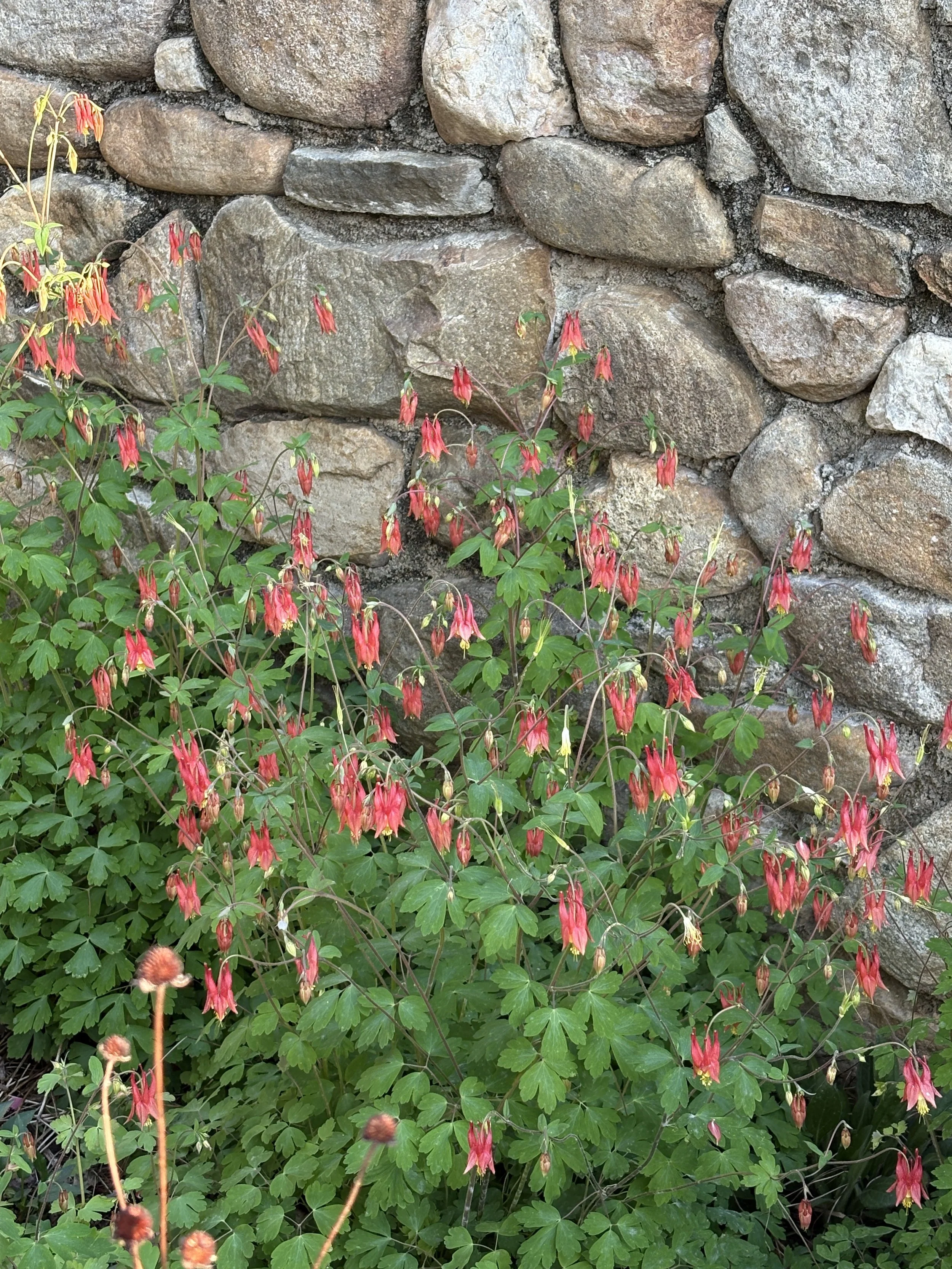
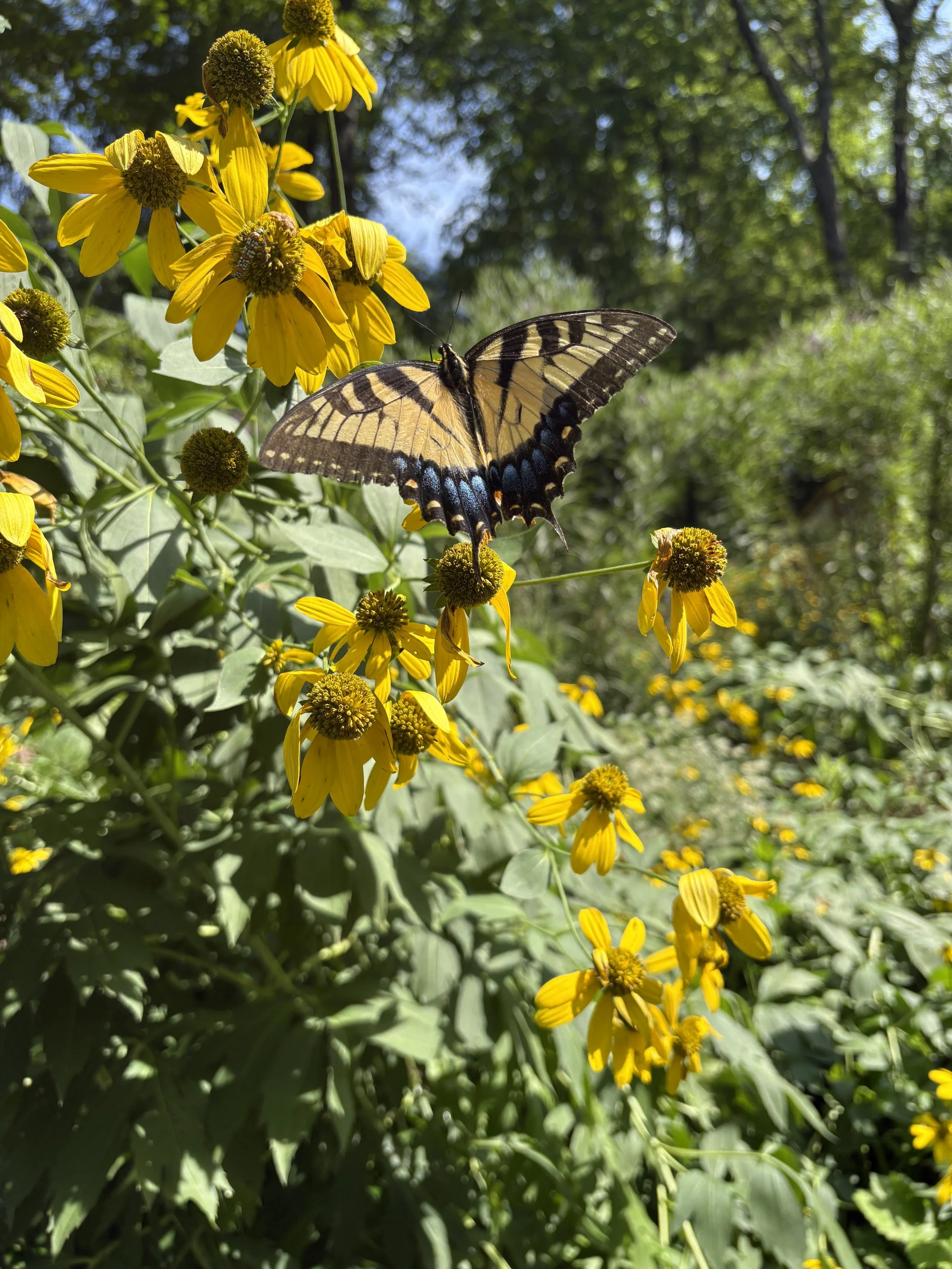
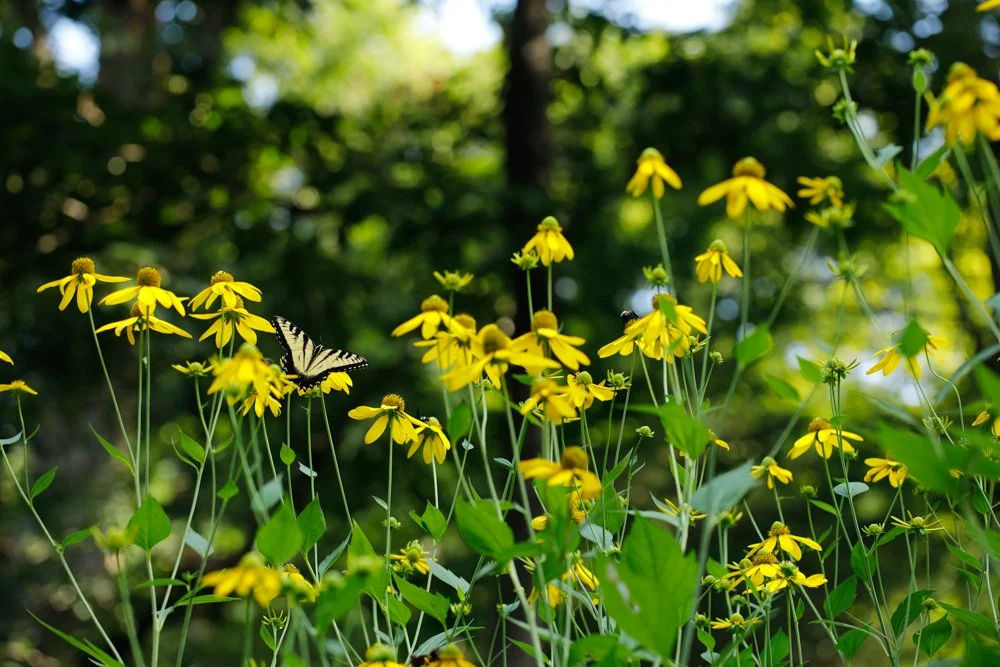
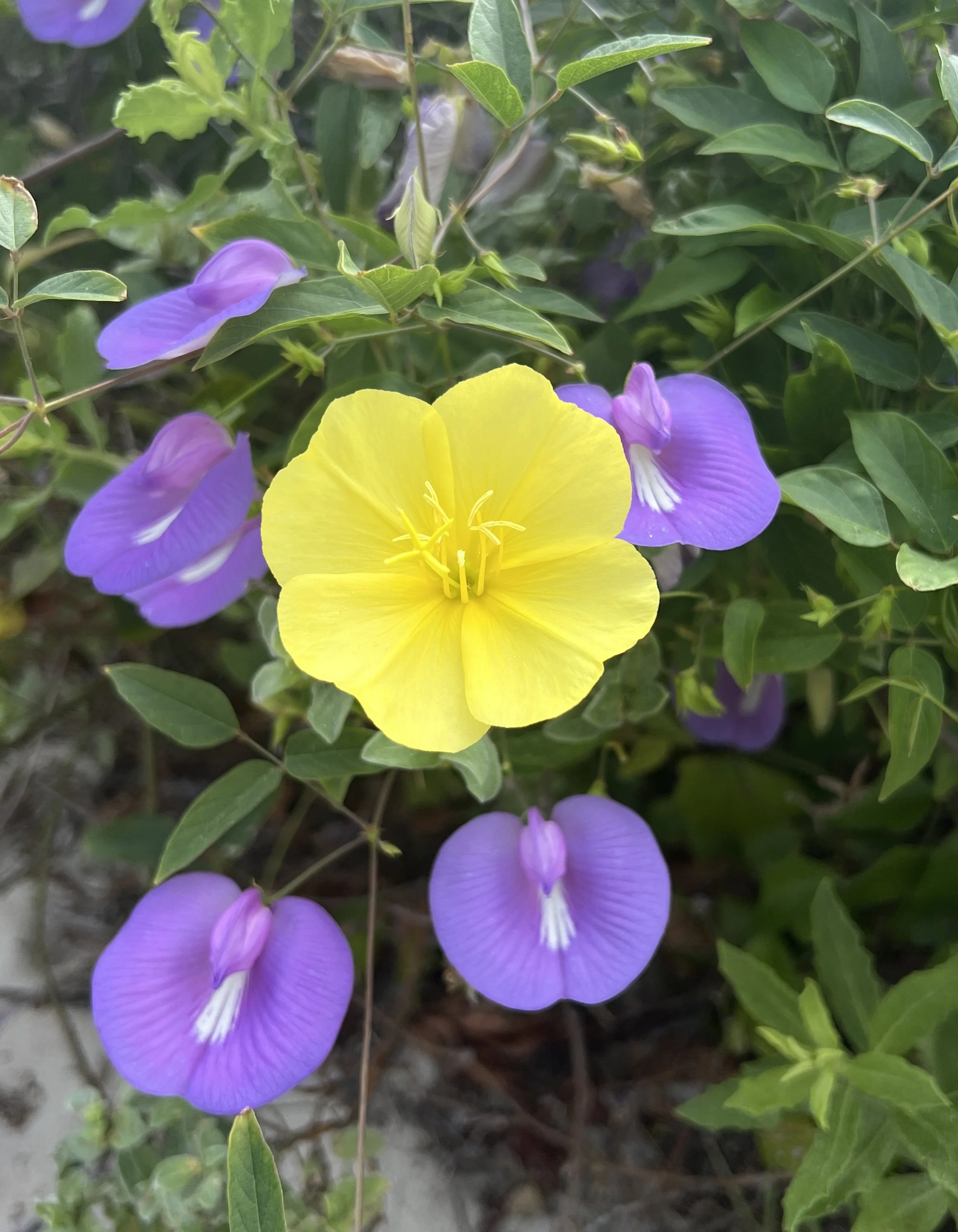
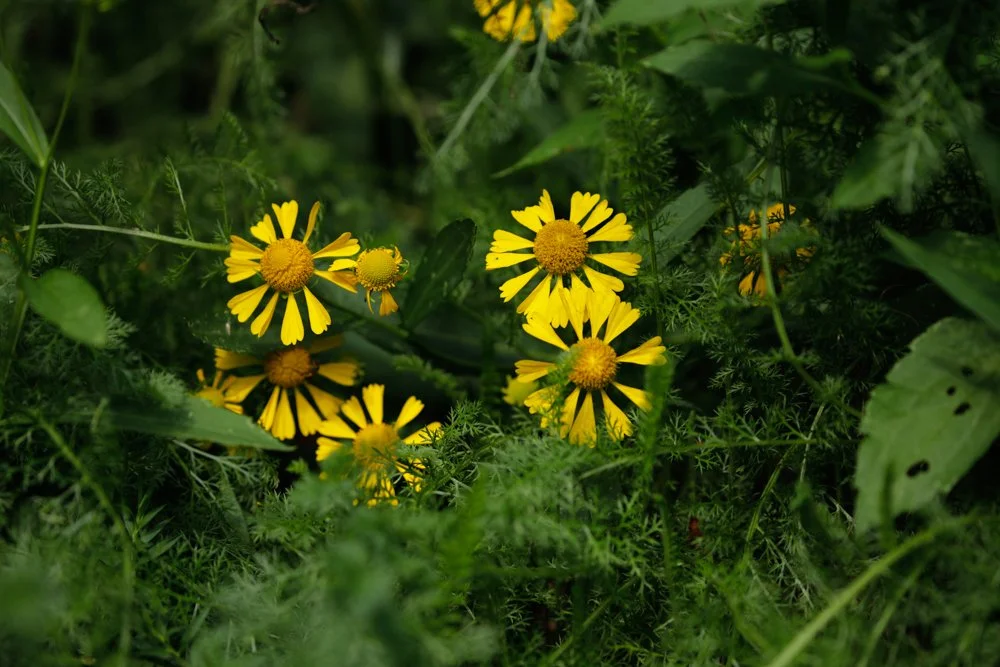
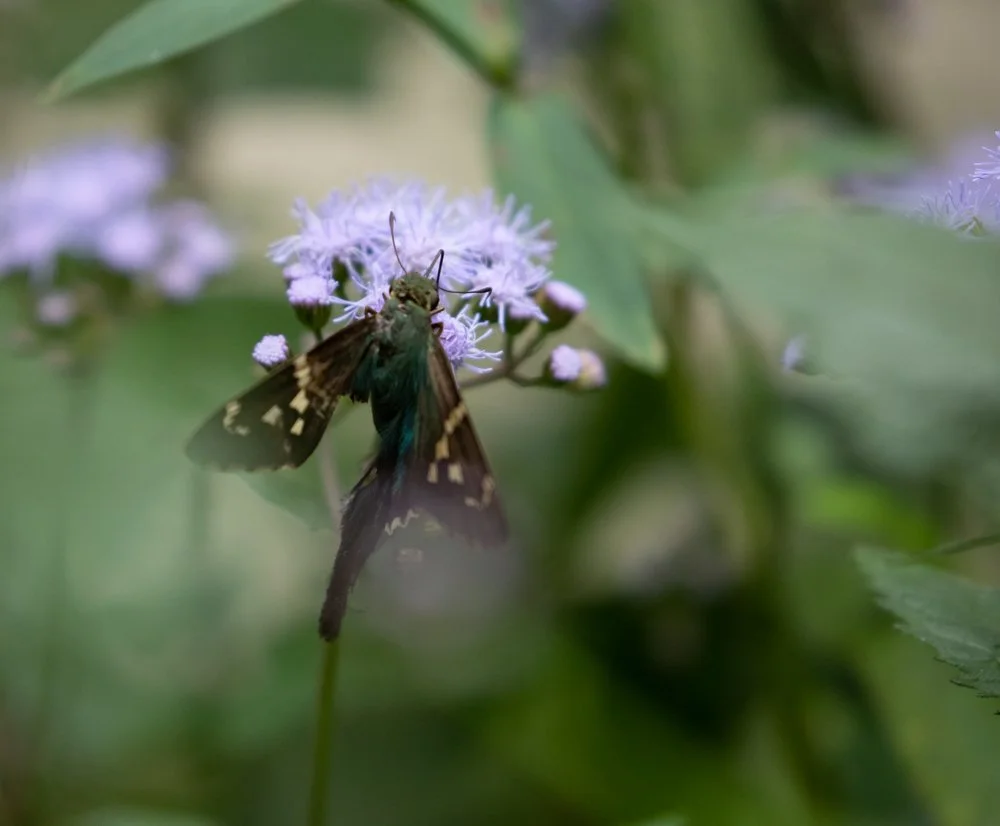
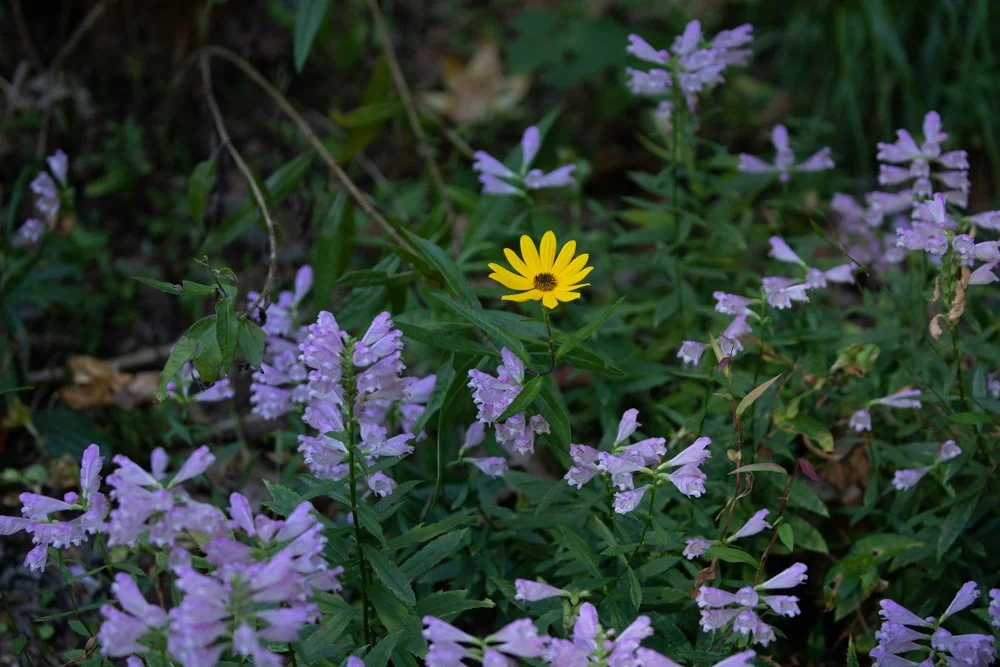
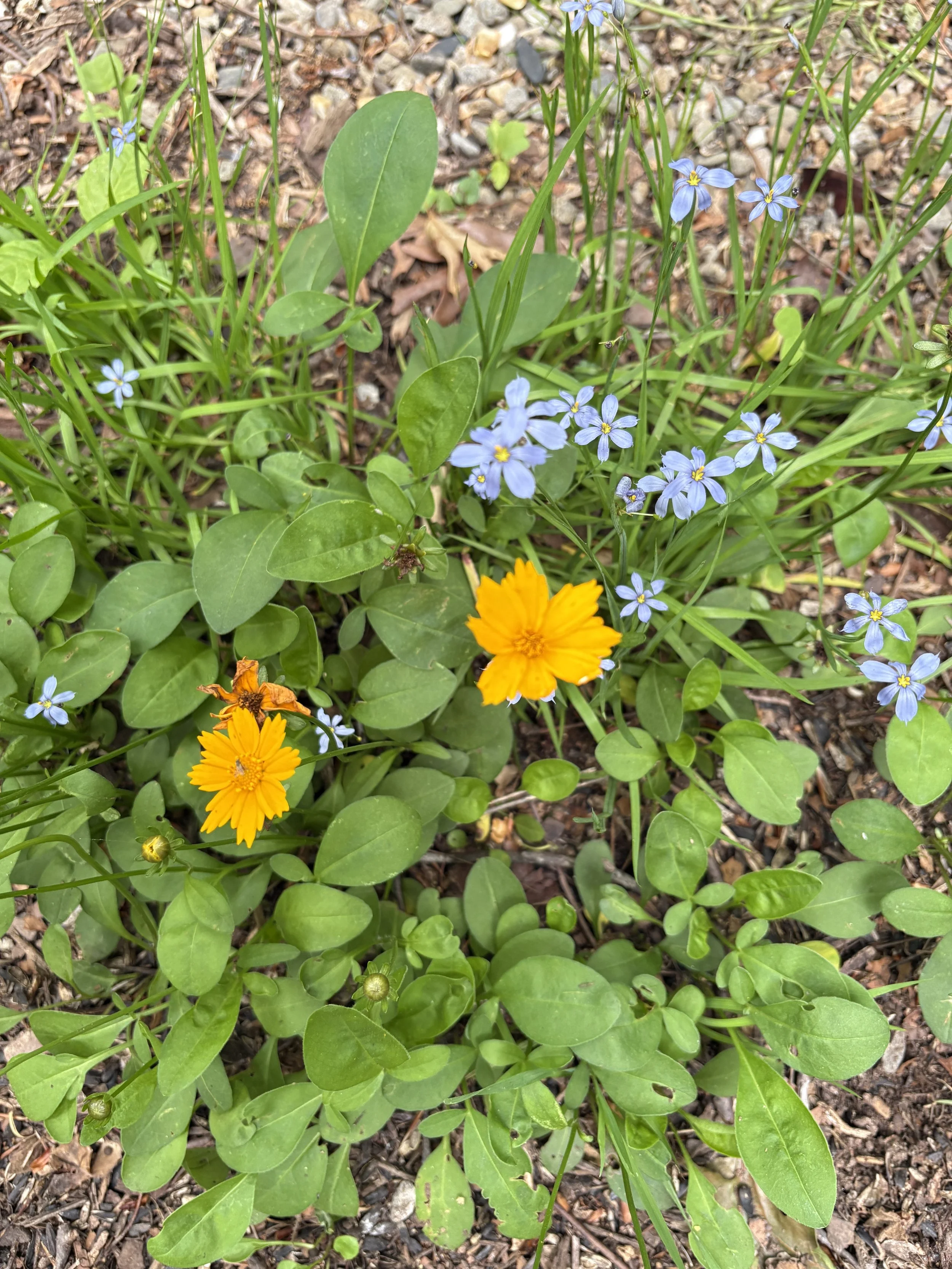
And when you choose native plants, you're doing much more than adding beauty to your landscape. Native plants have evolved alongside our local wildlife and form the foundation of healthy food webs. They provide nectar and pollen for native bees and butterflies, host plants for caterpillars, seeds and berries for birds, and food and shelter for countless other creatures. Because they are adapted to our region, the right native plant in the right place can also require less water and fewer inputs once established.
Every native plant we add to our landscapes helps restore a little bit of the habitat that wildlife needs to survive.
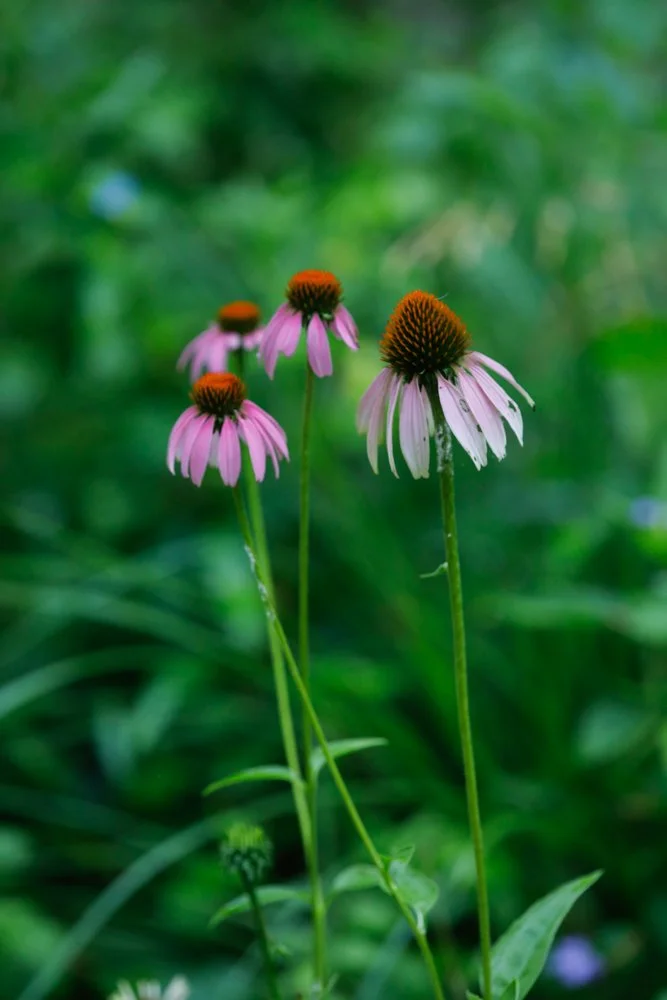
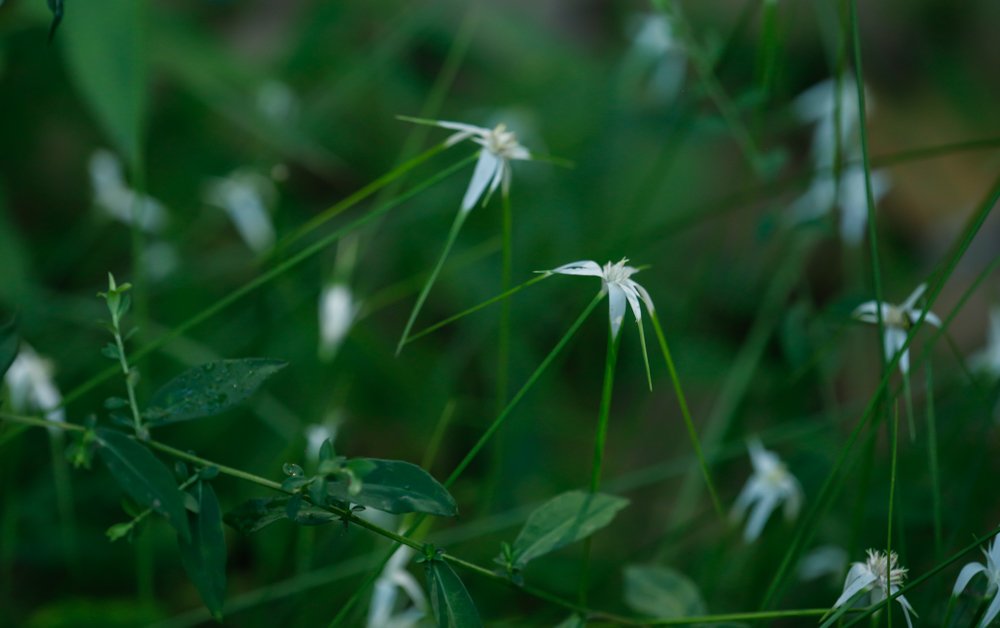
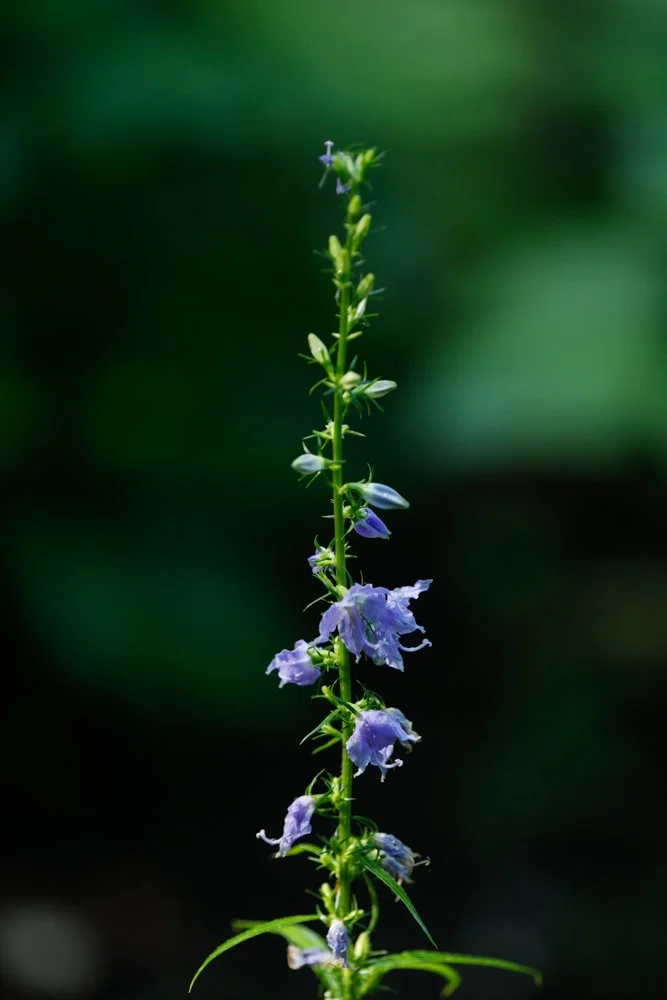
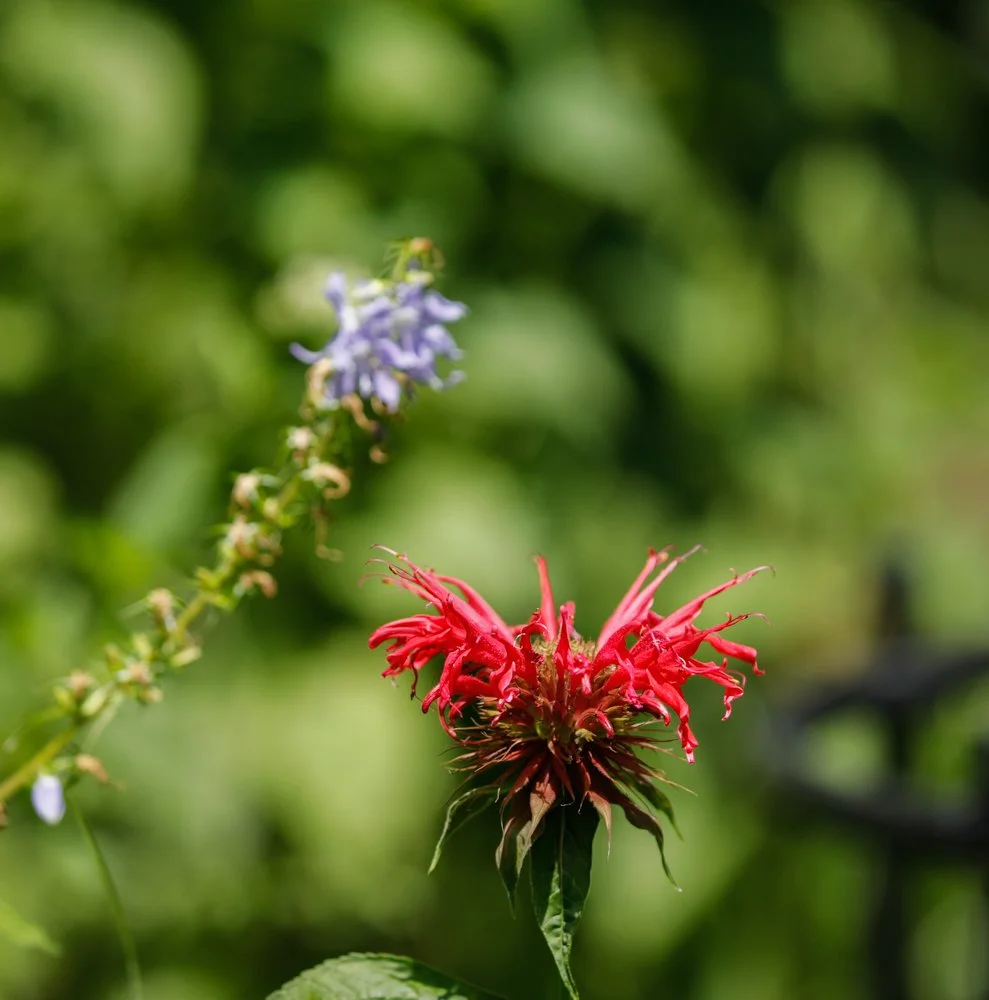
Where to Find Native Plants This Fall
While the Gardening For Life Project will not be holding a fall native plant sale this year, there are still plenty of opportunities to add natives to your landscape. We're fortunate to have a growing number of nurseries, growers and organizations offering native plants throughout Western North Carolina and Upstate South Carolina.
Rather than try to list them all here, our friends at Conserving Carolina have put together a terrific regional guide, Where to Get Native Plants for WNC and Upstate SC.
You'll find native plant nurseries, local growers, plant sales and other sources throughout our region. Bookmark it! It's a great resource to have whenever you're looking for your next native plant.
And remember that many native plant growers are small operations, so inventories and hours can change. It's always a good idea to check with the grower before making a special trip.
When shopping, don't be afraid to ask a few questions:
Is this plant native to our region?
Is it a straight species or a cultivar?
Has it been treated with systemic pesticides such as neonicotinoids?
The more we ask for locally appropriate native plants, the more we help demonstrate that there is a market for them.
So don't put away that shovel just yet. Fall planting season is on the way —and every native plant we put in the ground is a small investment in a healthier, more biodiverse Carolina Foothills.
For tips and resources on transforming your landscape into a habitatscape visit GFLP Gardening For Life in the Carolina Foothills.